

When running ads on LinkedIn, choosing the right format can make or break your campaign performance. Two of the most commonly used formats are Sponsored Content and Message Ads. Both are powerful—but they serve different purposes and work best in different situations.
If you understand how each format works and when to use them, you can significantly improve your results.
What Is Sponsored Content?
Sponsored Content appears directly in the LinkedIn feed, blending in with organic posts. These ads can be single images, carousels, or videos.

5
Key characteristics:
- Native to the feed (less intrusive)
- Great for awareness, engagement, and traffic
- Supports multiple formats (image, video, carousel)
Users interact with these ads just like regular posts—by liking, commenting, or clicking.
What Are Message Ads?
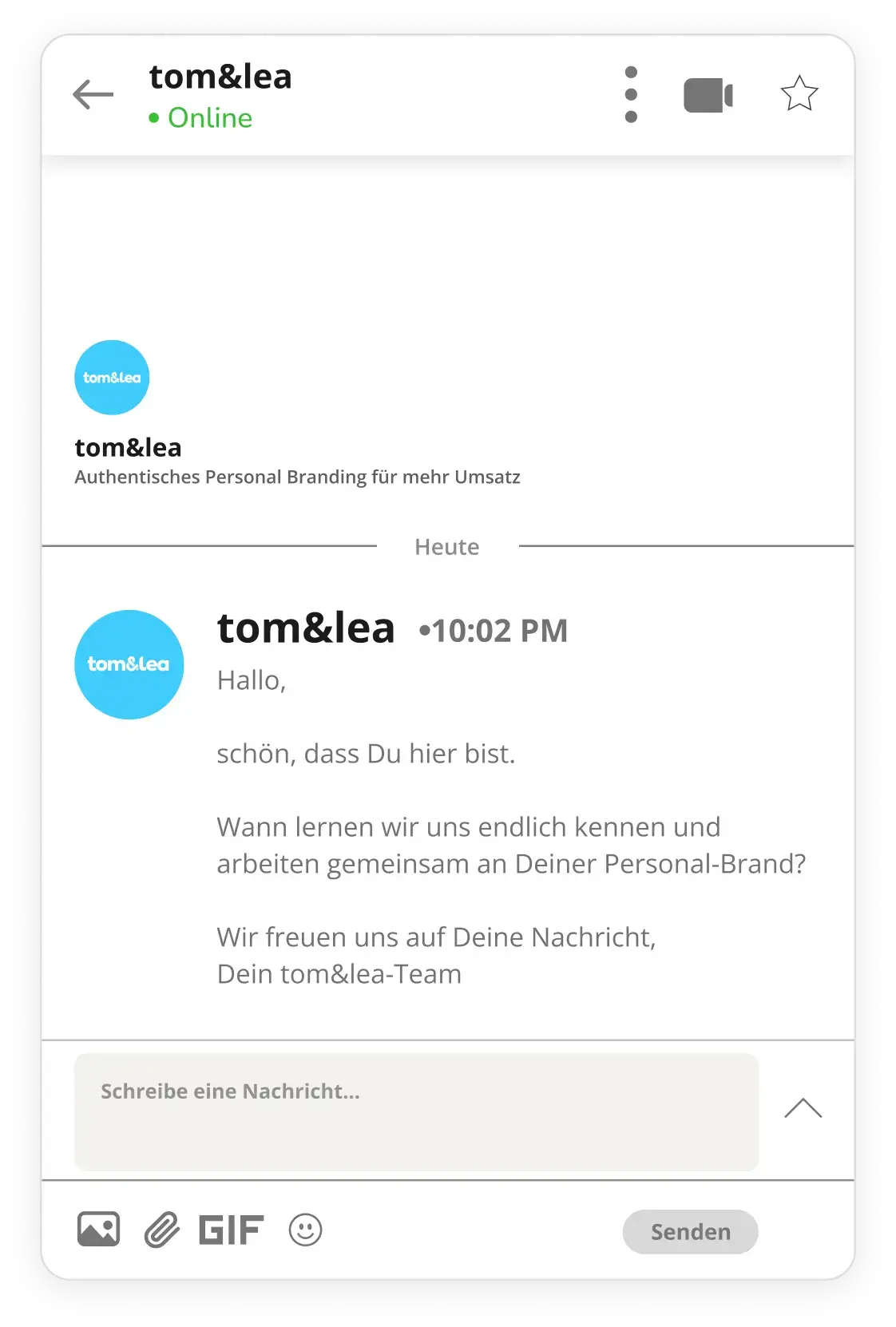
Message Ads (formerly Sponsored InMail) are delivered directly to a user’s LinkedIn inbox. They feel more personal and are often used for direct outreach.

6
Key characteristics:
- Sent directly to inboxes
- Highly personalized
- Best for direct response actions (like booking a demo or signing up)
These ads often include a conversational message and a clear call-to-action button.
Key Differences Between Sponsored Content and Message Ads
User Experience
Sponsored Content feels natural because it appears in the feed, while Message Ads interrupt the user by landing in their inbox.
Intent Level
Sponsored Content is better for building awareness and warming up audiences. Message Ads work better when targeting users who are already somewhat familiar with your brand.
Cost Structure
Sponsored Content typically uses CPC or CPM, while Message Ads use Cost Per Send (CPS). Message Ads can become expensive if not targeted properly.
Engagement Style
Sponsored Content encourages passive engagement (likes, shares, clicks), while Message Ads push for immediate action.
When to Use Sponsored Content
Sponsored Content is ideal when you want to:
- Build brand awareness
- Drive traffic to your website
- Promote content like blogs, videos, or guides
- Warm up cold audiences
It’s usually the best starting point for most campaigns.
When to Use Message Ads
Message Ads work best when you want to:
- Send personalized offers
- Invite users to webinars or events
- Book demos or consultations
- Target warm or retargeted audiences
They’re more effective when used later in the funnel.
Which One Works Best for Lead Generation?
If you’re targeting cold audiences, Sponsored Content usually performs better because it’s less intrusive and helps build trust first.
However, for warm audiences, Message Ads can deliver higher conversion rates due to their direct and personalized nature.
The best approach is not choosing one over the other—but combining both strategically.
The Smart Strategy: Use Both Together
Here’s a simple funnel approach:
- Start with Sponsored Content to attract and educate
- Retarget engaged users with Message Ads
- Push strong offers like demos or consultations
This combination helps you move users from awareness to action more effectively.
Common Mistakes to Avoid
- Using Message Ads on cold audiences
- Writing overly long or salesy messages
- Ignoring creative quality in Sponsored Content
- Not testing different formats and audiences
Avoiding these mistakes can save budget and improve results quickly.
Final Thoughts
Sponsored Content and Message Ads aren’t competitors—they’re complementary tools.
Sponsored Content builds awareness and trust, while Message Ads drive direct action. When used together in a structured funnel, they can significantly boost your LinkedIn ad performance and lead generation results.
The key is understanding your audience’s journey and matching the right format to the right stage.